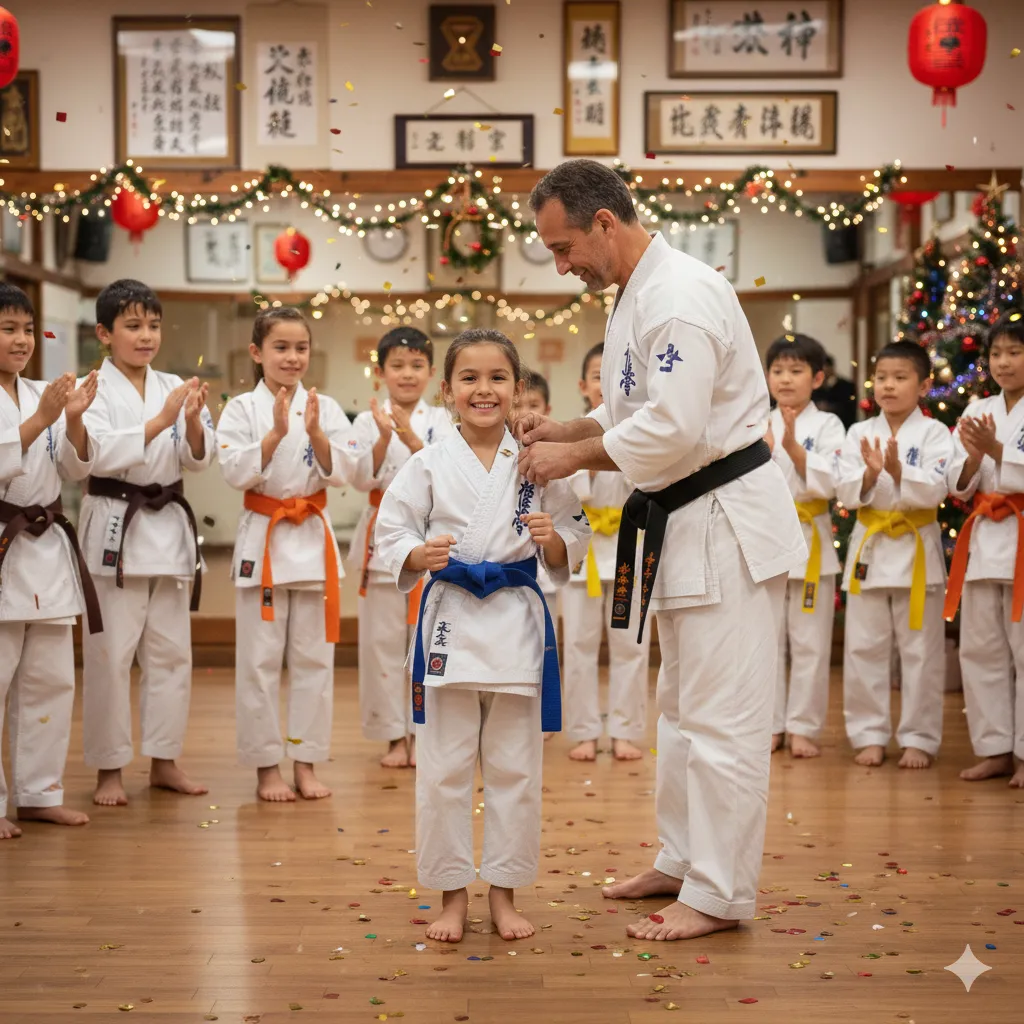
How Martial Arts Teaches Gratitude and Humility
The Powerful Lessons Kids Learn Beyond Kicks and Punches.
In today’s fast-paced world, parents often find themselves searching for ways to keep their children grounded, respectful, and aware of the people around them. While sports, school, and home routines all play a role, few activities teach gratitude and humility as naturally, and effectively, as martial arts.
At first glance, martial arts may look like a series of powerful movements and energetic drills. But beneath the surface is a deep-rooted culture centered on respect, appreciation, and teamwork. These values are infused into every class, every bow, and every interaction a student has with their instructor and peers. And over time, kids begin to absorb these lessons not just on the mat, but in their everyday lives.
In this blog, we’ll explore how martial arts instills gratitude and humility in children, why these traits matter for their long-term development, and how your child could benefit from this empowering training.
The Bow: A Symbol of Appreciation and Mutual Respect
One of the first things children learn in martial arts, before kicking, punching, or even stances, is the bow. To some parents, this may seem like a simple tradition, but its meaning runs incredibly deep.
In martial arts, the bow teaches students to:
1. Show Respect for Their Instructor
Bowing to the instructor is a way of saying, “Thank you for teaching me. I’m here to learn.”
It sets the tone for a positive and focused class experience.
2. Acknowledge Fellow Students
When students bow to one another before or after drills, they express gratitude for their partner’s help and emphasize safety and teamwork.
3. Leave Ego at the Door
The bow symbolizes humility, an understanding that no matter how skilled a student becomes, there is always more to learn.
This simple gesture becomes second nature to students, and parents often notice it spilling over into home life: polite greetings, better manners, and a greater appreciation for authority figures like teachers and coaches.
Learning to Accept Guidance (and Correction!) with Humility
Kids often struggle with correction. Whether at home or in school, feedback can feel embarrassing or discouraging.
But martial arts reframes correction in a powerful way.
In the dojo, correction is:
Encouraging
Supportive
Expected
A normal part of learning
Students quickly learn that improvement comes from listening, not resisting. They begin to crave feedback because it shows them a path forward.
This builds humility, helping children understand that:
They don’t need to be perfect to make progress.
Everyone is learning at their own pace.
Mistakes are not failures, they’re opportunities.
This mindset often transfers to academics, relationships, and personal habits, turning kids into more resilient learners.

Teamwork Over Competition
Many parents are pleasantly surprised by how much teamwork plays a role in martial arts. Though often seen as an individual sport, training is deeply collaborative.
Kids partner up for drills, encourage each other during challenging exercises, and celebrate one another’s achievements.
This environment teaches gratitude because students learn to appreciate:
The partner who helps them practice
The instructor who guides every step
The classmates who cheer them on
The community that supports their growth
Kids become more aware of the fact that they’re part of something bigger than themselves, a team, a class, a martial arts family.
Earning, Not Expecting: The Humility of the Belt System
One of the most meaningful lessons in martial arts comes through the belt ranking process.
Each belt promotes:
Consistency
Perseverance
Hard work
Patience
Responsibility
Kids learn that belts are not given, they are earned. No shortcuts. No entitlements.
This fosters humility in two big ways:
Students appreciate their accomplishments more because they worked for them.
They remain humble because they see older students achieving even higher levels, reminding them there is always room to grow.
Parents often notice their children becoming more responsible and respectful at home because of these values.
Gratitude Through Awareness of Self and Others
As kids grow in martial arts, they begin to develop emotional maturity: an awareness of their own strengths, challenges, and the people who help them succeed.
This mindset builds gratitude naturally.
A child begins to think:
“My instructor believes in me.”
“My partner helped me improve.”
“My parents support me by bringing me to class each week.”
“My teammates cheer me on when I’m nervous.”
Martial arts creates an environment where children don’t just feel supported, they recognize that support and appreciate it.
How These Lessons Impact Life Outside the Dojo
Parents frequently report positive changes at home and school after their child begins martial arts. Gratitude and humility show up in ways such as:
Improved manners
Better listening
Respectful communication
Taking responsibility for actions
Showing appreciation to family
Working harder in school
Encouraging their peers
Understanding the value of effort
The dojo becomes a training ground not only for martial arts skills, but for becoming a more grounded, respectful, and appreciative person.

