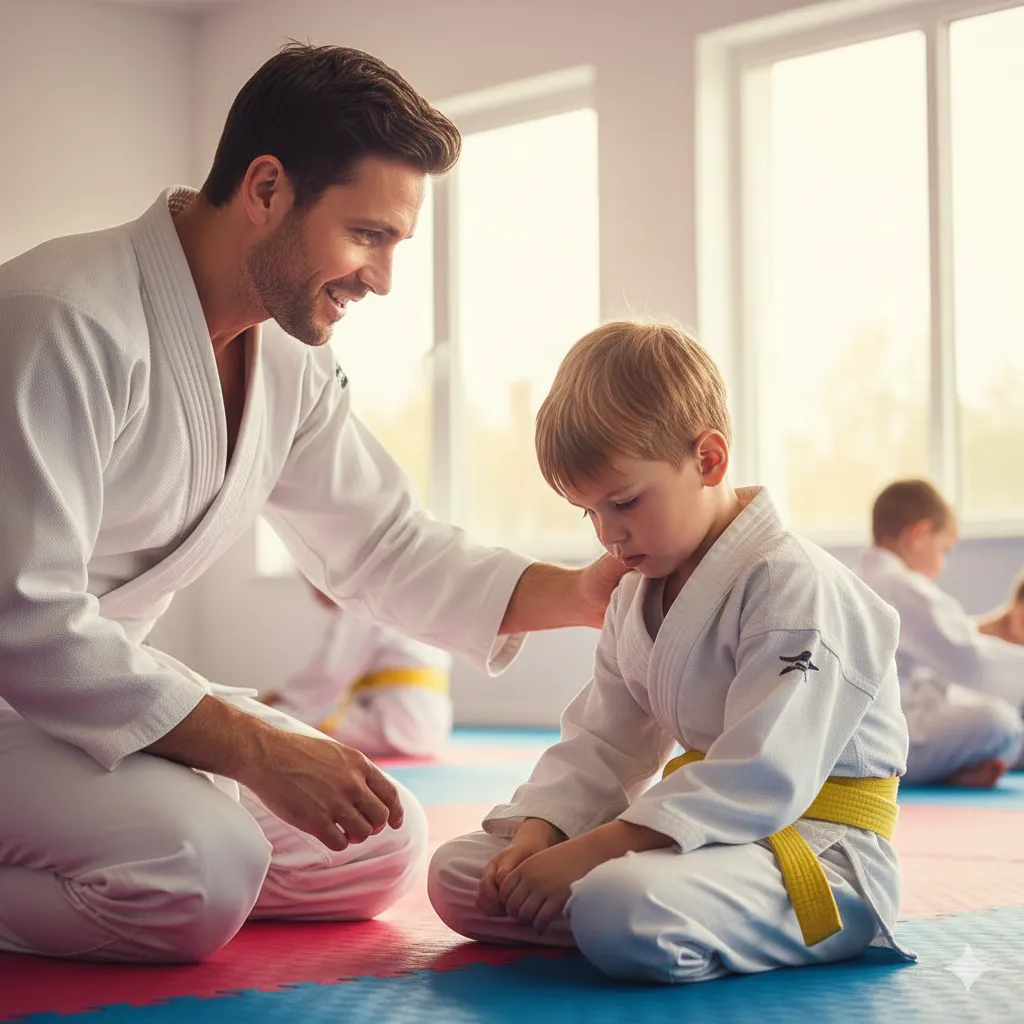
Martial Arts and Emotional Intelligence: Teaching Kids to Pause Before Reacting
"A student's mentality in learning martial arts is to overcome one's problems". - Ip Chun
How Training Builds Self-Control, Awareness, and Empathy
In a fast-paced world filled with constant stimulation, emotional regulation has become one of the most essential skills children need, but also one of the hardest for them to master. Parents often see emotional outbursts, frustration, impulsive reactions, or shutting down when conflicts arise. While these behaviors are normal developmental stages, kids need tools, guidance, and consistent practice to learn how to handle their feelings in a healthy way.
This is where martial arts becomes far more than a physical activity. It becomes a powerful emotional training ground.
At its core, martial arts teaches students not just how to move their bodies, but how to manage their minds, control their emotions, and respond thoughtfully rather than impulsively. This is emotional intelligence in action, and the dojo is one of the best environments for developing it.
The Link Between Martial Arts and Emotional Intelligence
Emotional intelligence (EQ) refers to a child’s ability to understand their feelings, regulate their reactions, show empathy, and navigate social situations with confidence and clarity. While IQ may determine how well a child learns information, EQ determines how well they handle life.
Martial arts naturally strengthens EQ because every class is filled with opportunities to practice:
Self-control
Patience
Focus
Empathy
Respect
Responsibility
Confidence
Through structured repetition and positive reinforcement, children learn not just what to do, but how to be.
1. Teaching Kids to Pause Before Reacting
One of the earliest lessons in martial arts is control: control of the body, the breath, and eventually, the emotions.
Kids quickly learn that reacting impulsively, lunging, rushing, or getting frustrated, actually makes techniques harder. So instructors teach them to pause:
Take a breath
Reset their stance
Refocus their attention
Over time, this “pause first” habit becomes second nature. What starts as a physical skill becomes an emotional one.
A child who once reacted instantly when upset begins stopping to think:
“What should I do next?”
This is emotional intelligence in real time, and it’s incredibly powerful.
2. Understanding Emotions Through Movement
Kids experience big feelings, but they don’t always have the language to explain them. Martial arts helps bridge that gap.
Through drills, games, and controlled challenges, children experience stress, excitement, anticipation, and frustration in a safe, guided environment. Instructors help them recognize these emotions:
“What does your body feel like when you’re frustrated?”
“What helped you stay calm during that drill?”
“How did you reset after making a mistake?”
By pairing movement with emotional reflection, kids improve self-awareness, a core part of EQ.
3. Learning Empathy Through Teamwork and Partners
Working with other students teaches kids how to:
Read body language
Adjust their intensity
Encourage their partners
Celebrate others’ progress
Show patience with someone who’s struggling
These small moments accumulate, teaching students to be more understanding, compassionate, and relationally aware.
Kids who train in martial arts often become excellent listeners and thoughtful friends.

4. Building Confidence So Emotions Don’t Overwhelm
A big reason children react impulsively is because they don’t yet feel confident in their ability to handle challenges.
Martial arts solves this through:
Step-by-step skill progressions
Belt promotions
Weekly achievements
Positive praise
Mastering difficult techniques
Each win, big or small, teaches a child:
“I can handle hard things.”
With greater confidence comes calmer responses, better emotional regulation, and fewer meltdowns.
5. Practicing Respect and Thoughtfulness Everywhere
Bow to start class.
Bow to your partner.
Listen first.
Move with intention.
Think before acting.
These rituals develop emotional discipline. Kids learn that their actions affect others and that respect isn’t optional, it’s part of who they are.
This respect carries into:
Home routines
School interactions
Teacher relationships
Friendships
Sibling dynamics
Parents frequently notice improvements in manners and communication within weeks.
6. Turning Setbacks Into Growth Moments
In martial arts, mistakes happen constantly:
Missed kicks
Falling out of stances
Forgetting combinations
Losing balance
Getting tagged in sparring
Instead of reacting emotionally, children are taught to:
Reset
Breathe
Try again
This builds resilience, patience, and emotional flexibility, skills that serve them for life.
Final Thoughts
Emotional intelligence is one of the greatest gifts we can give a child. Martial arts strengthens the skills kids need to:
✔ Stay calm under pressure
✔ Think before reacting
✔ Respect others
✔ Build empathy
✔ Handle frustration
✔ Communicate clearly
✔ Develop confidence
From the moment they bow onto the mat, they’re not just learning kicks and punches, they’re developing the emotional toolkit that will shape their character, relationships, and future success.
Martial arts builds strong bodies, but more importantly, it builds strong hearts and strong minds.

